Product Designer & Front-End Developer
4+ years in — though I actually started in code: a diploma in computer engineering, way too many languages, two years of freelance Java work in college. Then I found design, and it pulled harder than anything code had. I chose it as my craft — I just never quite let go of the code either.
AI-powered SaaS platform for the tech-services talent supply chain, serving 110,000+ users across 12+ enterprise giants.
I own end-to-end product design across Prismforce's reporting and workflow tools — from the core report builder to RMS demand management and a rules engine for skills endorsement — working alongside another product designer as the team's grown. I also led a ground-up refresh of Prismforce's design system — the first in a long time — rebuilding it into a scalable, atomic component library; that's complete now and in maintenance mode, and I've since started building some of its components directly in Angular.
3.5 years of continuous employment spanning Square Off's acquisition by Miko.ai — from electronic chessboards enabling remote play to an AI-powered smart robot for children ages 3–8.
Started at Square Off designing the subscription model and onboarding flow, then built the HTML/CSS/JS prototypes myself just to see the flows working before engineering got to them — my first real taste of building what I designed. After the acquisition, redesigned Miko Chess for kids much younger than the original was built for, rebuilt the parent first-time experience, and ended up leading how the design system evolved across both products.
Independent design work for early-stage founders and personal explorations, outside of full-time roles.
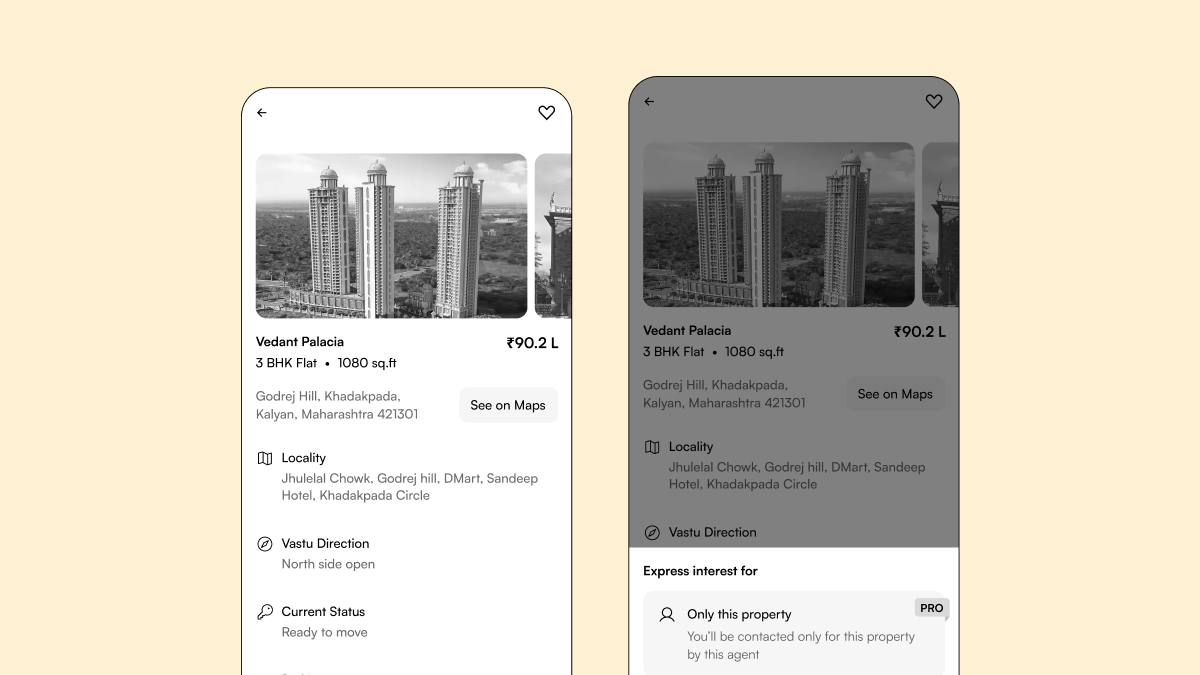
A design exploration into stopping unsolicited calls from real-estate brokers and builders — reframing a permissions/consent problem as a product design challenge rather than a spam-filtering one.
View case study →
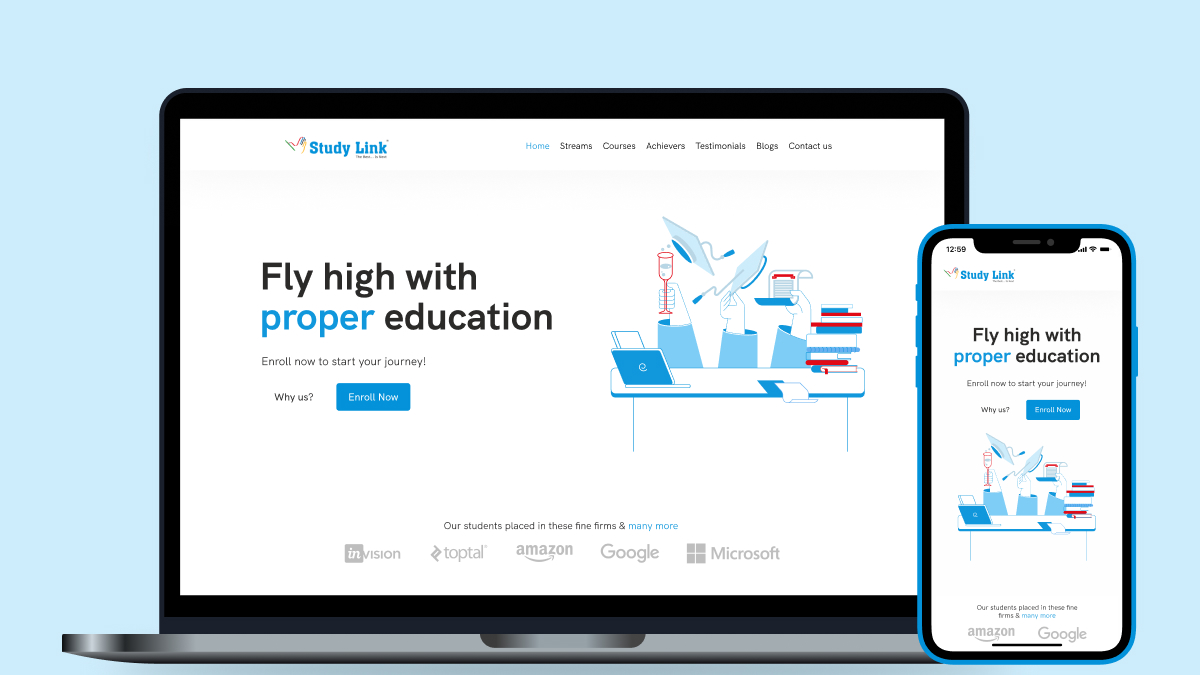
Redesigned a coaching-class website end to end for a stronger conversion rate, clearer value proposition, and easier navigation for prospective students and parents.
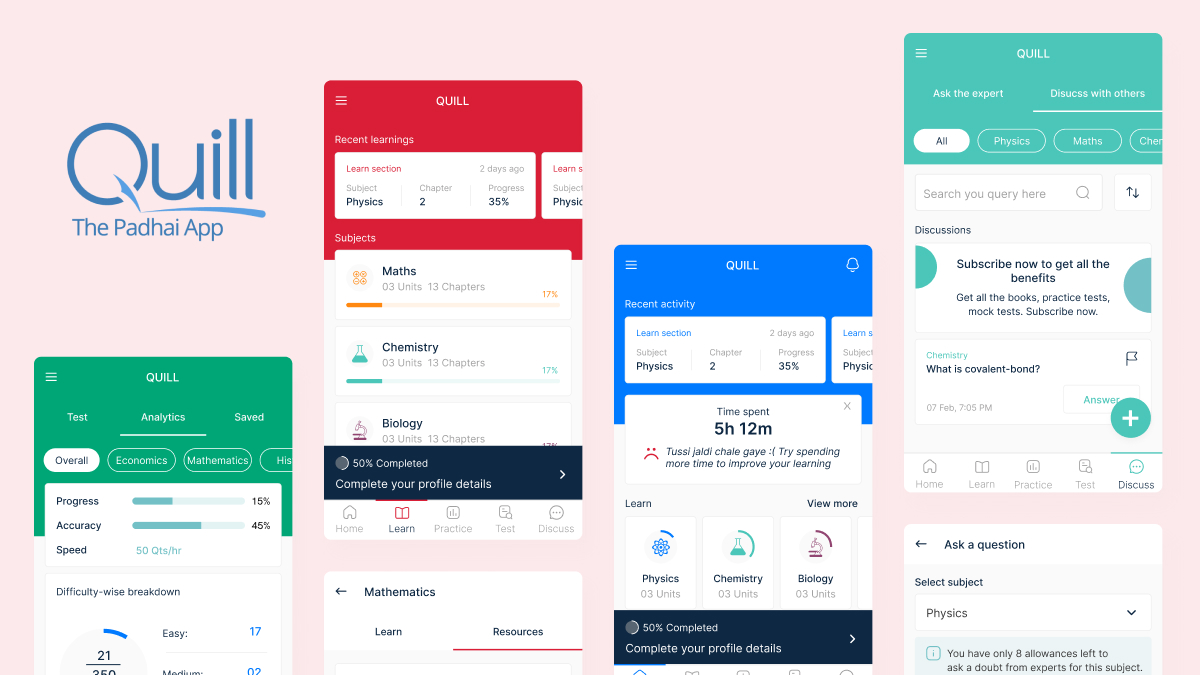
Reimagined the learning experience for school and college students across a new app and web platform, rethinking how students actually study rather than just digitizing a syllabus.
View case study →Even after I chose design as my craft, I kept shipping code on the side — mostly to stay sharp, partly because I never really wanted to stop.
A responsive movie-discovery app built from scratch to prove out core React patterns beyond design tooling.
Built this mostly to prove to myself I could actually ship a full React app, not just talk about React in interviews. It consumes the TMDB API, with debounced search so it's not re-fetching on every keystroke, a "Load More" pattern instead of pulling in a heavier infinite-scroll library, and loading/error/empty states handled with plain React state — no external library needed. I held it to the same craft standard I'd hold a Figma file to: clean component structure, proper keyboard navigation, and no rough edges.
A Figma plugin bridging design and engineering workflows — built with TypeScript against the Figma and XD plugin APIs.
Built this because I was tired of the copy-paste dance every time I needed a common component in a new file. It's a plugin that inserts ready-to-use UI components with one click, straight from Figma or XD. Adobe ended up featuring it as one of their top curated plugins, which was a nice surprise for something I built to solve my own annoyance.
My path here runs backwards from most designers. I started with a diploma in computer engineering, picking up C, C++, Java, Python, PHP, Laravel, JavaScript, React, React Native, and Angular along the way. Java's collections framework is what really pulled me in — I spent close to two years in college building freelance projects around it, deep in the kind of programming most designers never touch.
Somewhere in exploring front-end development, I discovered design — and it pulled harder than code ever had. I chose it as my full-time craft, graduated in 2021, and started with an internship at a design studio. From there: two years at Square Off, a year and a half at Miko after Square Off was acquired, and now Prismforce, where I currently lead design-system strategy.
What never went away was the engineering. Through all of it, I kept building front-end side projects — partly to stay sharp, mostly because I genuinely like doing it. That's probably why design systems fit me so well as a discipline: it's the one place design and code actually have to agree with each other.